Reolink Vs Hikvision Home Camera Comparison
In today’s age of increasing home security concerns, the importance of reliable surveillance systems has never been more pronounced. With an overwhelming number of options available, choosing the right home camera can be quite the challenge. Among the top contenders in this market are Reolink and Hikvision, both of which offer unique features designed to meet diverse customer needs. In this comprehensive Reolink vs Hikvision home camera comparison, we will delve into the specifications, setup procedures, smart features, and the pros and cons of both brands to help you make an informed decision.
Reolink is known for its user-friendly design and innovative technology, while Hikvision boasts a more professional-grade lineup favored by many businesses. However, both brands have established themselves in the residential surveillance sphere, making this comparison all the more relevant for homeowners.

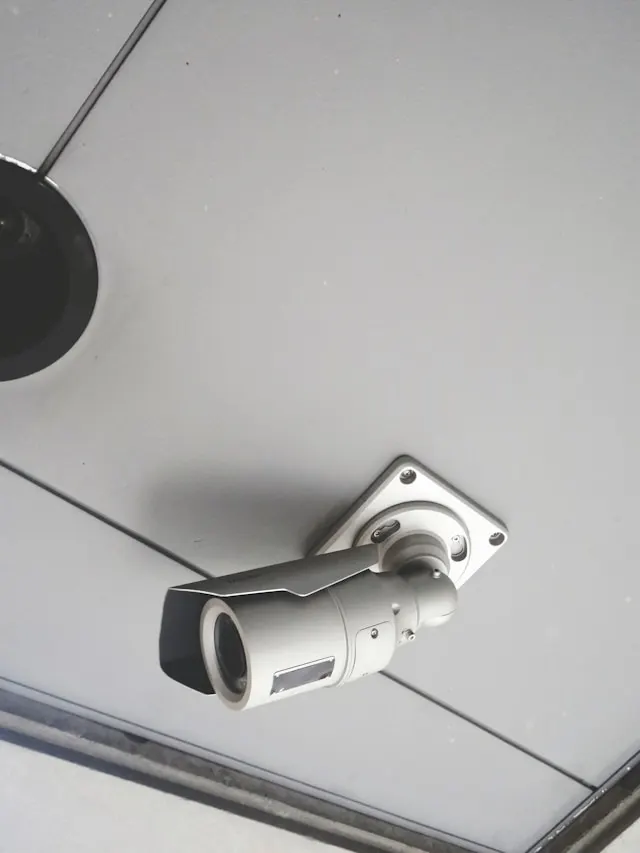
Technical Features
When evaluating the technical features, both Reolink and Hikvision showcase impressive specifications that cater to a variety of security needs. Let’s start with Reolink.
Reolink cameras like the RLC-410 and the Argus series come with high-resolution capabilities, typically offering 4MP to 5MP options. The cameras utilize advanced compression technology such as H.265, which significantly reduces bandwidth usage without compromising image quality. Reolink’s cameras feature Night Vision up to 100 feet, ensuring clarity even in dimly lit environments. Moreover, several models are equipped with two-way audio, allowing homeowners to communicate through the camera.
In contrast, Hikvision offers a wider range of options suited for both residential and commercial use. Their entry-level models, such as the DS-2CD2042FWD-I, also boast high-definition resolutions reaching up to 4MP. However, Hikvision’s strength lies in its superior imaging technology, which often employs Darkfighter technology for exceptional low-light performance, often described as unparalleled in the industry. Hikvision systems support on-board storage options and have robust automated features that are essential for larger installations.
Both brands offer weather-resistant designs, ensuring durability during all seasons. Reolink’s designs often emphasize aesthetics suited for residential applications, while Hikvision tends towards more utilitarian sensibilities.
Setup & Installation
Setting up security cameras is a crucial part of ensuring your home is monitored effectively. Reolink is particularly praised for its user-centric installation process. Most Reolink cameras feature plug-and-play functionality, meaning they can be quickly initiated with minimal technical knowledge. Users can expect straightforward steps involving downloading the Reolink app, connecting the camera to Wi-Fi, and following intuitive prompts.
The installation of Reolink’s PoE (Power over Ethernet) cameras can be managed via a simple ethernet cable connection, allowing for both power and data transmission over the same cable. For those opting for battery-operated models, installation becomes even simpler as you can mount them in virtually any location without being tethered to a power source.
On the other hand, Hikvision tends to be a bit more complex, primarily due to the brand’s variety of advanced model features. Depending on the model, users may need to engage in more detailed configurations, especially concerning local or remote viewing settings. Hikvision cameras often require more technical understanding, especially when navigating through the Hik-Connect app for remote operation. Their systems can integrate into larger networks seamlessly, but novice users might feel overwhelmed at first.
Smart Features & Integration
In this age of smart homes, camera integration with other systems can significantly enhance usability. Reolink cameras hold their ground with a robust app that is easy to navigate, allowing users to view live feeds, respond to alerts, and manage playback from their devices. The Reolink app supports notifications, customizable motion detection zones, and even scheduled recording hours.
Moreover, Reolink also integrates with Alexa and Google Assistant, enabling voice commands. However, its integration capabilities are not as extensive as Hikvision’s, which supports more third-party platforms and has a wider ecosystem designed for surveillance management.
Hikvision shines when it comes to smart features—partially due to its commercial roots. The Hik-Connect app offers advanced features such as intelligent video analytics, including line crossing, intrusion detection, and object removal alerts. These features can be especially helpful for homes in high-risk areas. Furthermore, Hikvision allows for seamless integration with various third-party smart home systems, giving it a versatility advantage.
Hikvision also enables remote monitoring from anywhere in the world, with a user-friendly interface designed for both smartphone and desktop usage.
Pros and Cons
To make the right choice, let’s summarize the strengths and weaknesses of both brands based on hands-on experiences.
Reolink Pros:
- User-friendly installation process
- App is intuitive and simplifies camera management
- Good quality video resolution even for entry-level models
- Solid performance in night vision
- Decent battery-operated options for flexibility
Reolink Cons:
- Limited integration capabilities compared to Hikvision
- May lack some advanced features found in commercial-grade cameras
Hikvision Pros:
- Advanced image processing technology
- Extensive range of models covering various use-cases
- Offers intelligent video analytics for better surveillance
- Superior low-light performance
- Versatile integration options with third-party systems
Hikvision Cons:
- Setup can be complex for non-technical users
- Typically higher price point for similar specs compared to Reolink
- Mobile app might feel cluttered for new users
Final Expert Recommendation
Choosing between Reolink and Hikvision ultimately depends on your specific security needs and technical comfort level. If you are a homeowner seeking an easy-to-install, budget-friendly solution with elegant design aesthetics and solid performance, Reolink is an excellent choice. It offers all the necessary features for effective home surveillance without the need for extensive technical expertise.
Conversely, if you value advanced functionality and are willing to navigate a steeper learning curve, Hikvision undoubtedly stands out as a top-tier choice. Its professional-grade capabilities and integration possibilities can cater to both residential and commercial environments. However, it comes with a higher price tag and may be best suited for users seeking a long-term surveillance solution with more sophisticated features.
In summary, both brands bring unique qualities to the table. Assess your needs, budget, and technical expertise before making a decision. Whether you select Reolink or Hikvision, you are investing in a reliable camera solution that can enhance your home security significantly.